
Trading the Indian stock market can feel like an emotional rollercoaster. You watch your hard-earned profits vanish in seconds if you lack a solid plan.
Learning the 3 5 7 rule in trading gives you a clear framework to secure gains. This strategy forces you to pay yourself before the market reverses. This guide will show you exactly how to scale out of positions safely.
What is the 3 5 7 Rule in Trading?
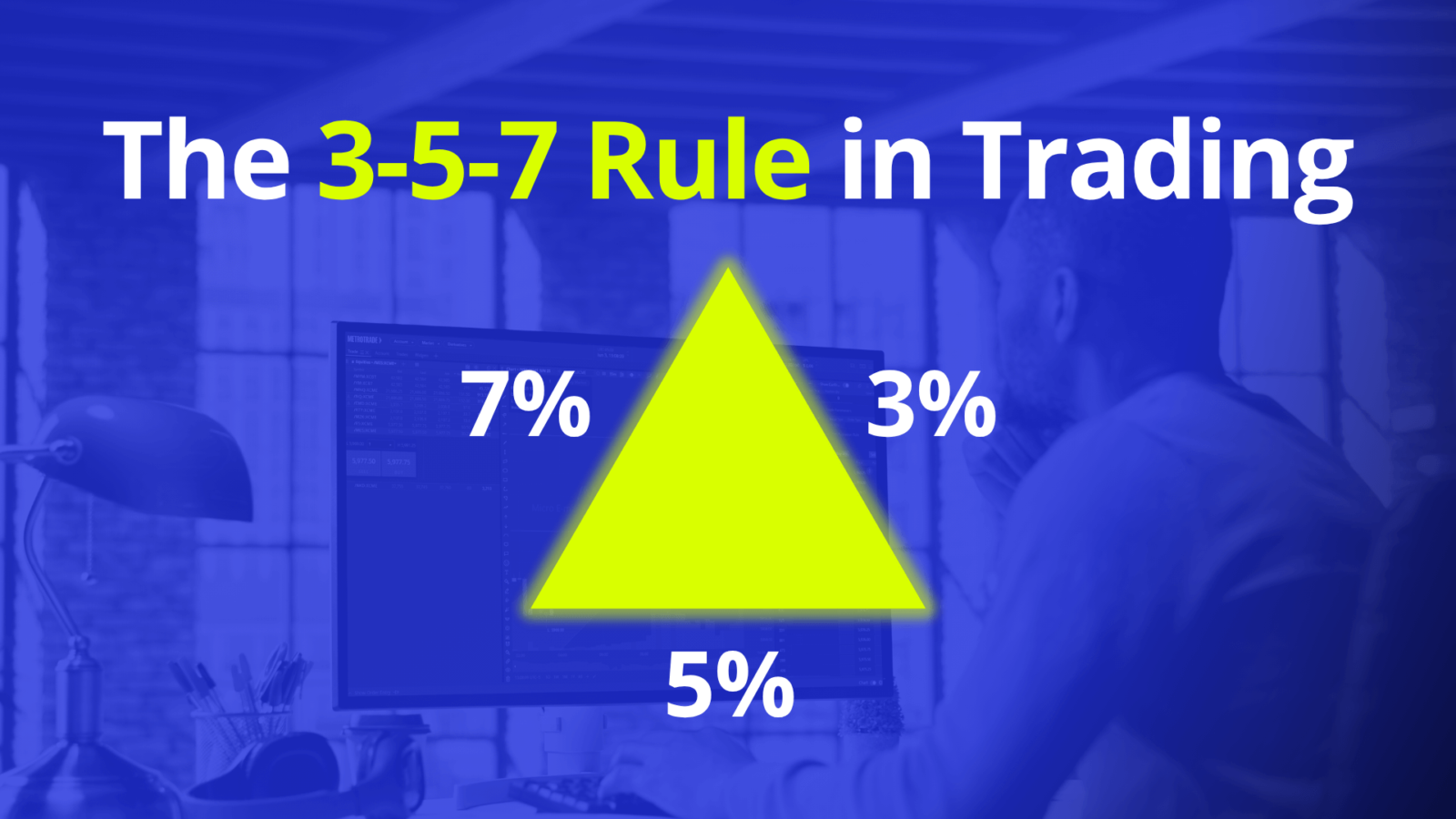
The 3 5 7 rule in trading is a risk management strategy where traders book partial profits at specific milestones. You sell a portion of your position at a 3% gain, another portion at a 5% gain, and the rest at a 7% gain.
Why You Need Strict Rules in Trading
Market volatility in India can wipe out your account without a proven system. You need strict rules in trading to protect your initial capital.
Unplanned trades often lead to emotional decisions driven by pure fear or greed. You might hold onto a losing stock hoping it bounces back. You might also sell a massive winner too early because you feel nervous.
Having predefined exit points ensures you secure profits systematically. It removes the human element of hesitation from your daily execution. Trading without rules is simply gambling.
Breaking Down the 3 5 7 Rule in Trading
This scaling strategy is brilliant because it forces you to realise early profits. You never want to let a strong winning trade turn into a painful loss. Let us explore exactly how to execute each milestone of this strategy.
The 3% Milestone: Securing Early Profits
Taking 30 to 50 percent of your position off the table early is incredibly smart. A 3 per cent gain protects your capital and immediately builds your trading confidence.
You have now officially made money on this setup. This guarantees that your emotional stress levels drop to zero.
The 5% Milestone: Locking in the Bulk
The market trend is clearly moving in your favour at this second stage. You sell another 30 per cent of your shares to lock in the bulk of your profits.
At this exact moment, you must move your stop-loss to your initial entry price. This eliminates any remaining financial risk from the trade.
The 7% Milestone: Letting the Runner Go
You now hold a small remaining position to capture the final market momentum. Professional traders refer to this final small position as a runner.
Selling at the 7 per cent mark completes the strategy cycle beautifully. You can now close the trade and look for the next clean setup.
How to Apply the 3 5 7 Rule in the Indian Market
This scaling strategy works exceptionally well for swing and positional trading. Indian midcap and smallcap stocks frequently offer these highly profitable momentum swings.
You must calculate your position sizing accurately before entering any active trade. Below is a practical example of how this looks with real trading capital.
| Profit Target | Action to Take | Capital Sold (Assuming ₹1,00,000 Position) |
| + 3% Gain | Sell 50% of holdings | ₹50,000 |
| + 5% Gain | Sell 30% of holdings | ₹30,000 |
| + 7% Gain | Sell remaining 20% | ₹20,000 |
Always set your sell limit orders in advance to avoid missing these levels.
The Best Rules for Trading Safely Under SEBI Guidelines
The best rules for trading always prioritise capital protection and regulatory compliance. The Securities and Exchange Board of India actively monitors market manipulation to protect retail investors.
Never act on unsolicited stock tips from unregistered social media accounts. SEBI strictly forbids providing guaranteed return schemes or unverified financial advice.
You should build your own trading strategies based on pure technical analysis. Always verify the SEBI registration of any financial advisor you choose to follow.
Why Joining a Trading Community Accelerates Growth
Reading about scaling strategies is very different from executing them live. Beginners often freeze when real money is on the line.
Join our Trading Community to master these concepts safely. We focus entirely on educational setups and transparent risk management logic.
Watching experienced analysts map out live charts builds your execution confidence rapidly. This practical exposure is far better than trading completely isolated.
Common Mistakes When Following Trading Rules
The biggest mistake traders make is ignoring their own pre-defined exit signals. They hold out for a massive 10 per cent gain and eventually lose everything. Greed destroys more retail trading accounts than bad overall market conditions.
Another common error is adjusting your stop-loss lower as the stock price drops. This violates all basic trading rules and guarantees heavy financial losses. Stick firmly to your plan and never adjust your risk parameters mid-trade.
People Also Ask
Is the 3 5 7 rule in trading good for beginners?
Yes. It teaches beginners how to secure profits systematically without giving in to market greed.
Can I use the 3 5 7 rule for intraday trading?
It is much better suited for swing trading. Intraday margins are often too tight for these specific percentage targets.
What are the golden rules in trading?
Always use a stop-loss. Never risk more than two per cent of your total capital on a single trade. Never chase your losses.
How do I stop emotional trading?
Stick to a pre-defined mechanical system like the 3 5 7 strategy. This completely removes human hesitation from the equation.
Are Telegram trading communities legal in India?
Yes. However, they must be strictly educational unless run by a SEBI-registered professional offering official advice.
Conclusion
Mastering the 3 5 7 rule in trading can completely transform your financial journey. It shifts your focus from guessing the absolute top to managing your daily risk. Remember that the best rules for trading are the ones you actually follow strictly.
Keep your position sizes manageable and always respect Indian regulatory guidelines. Start applying these scaling targets today and watch your trading consistency improve.